Grade-Wise Classroom Furniture Guide: Matching Student Desks To Learning Stages
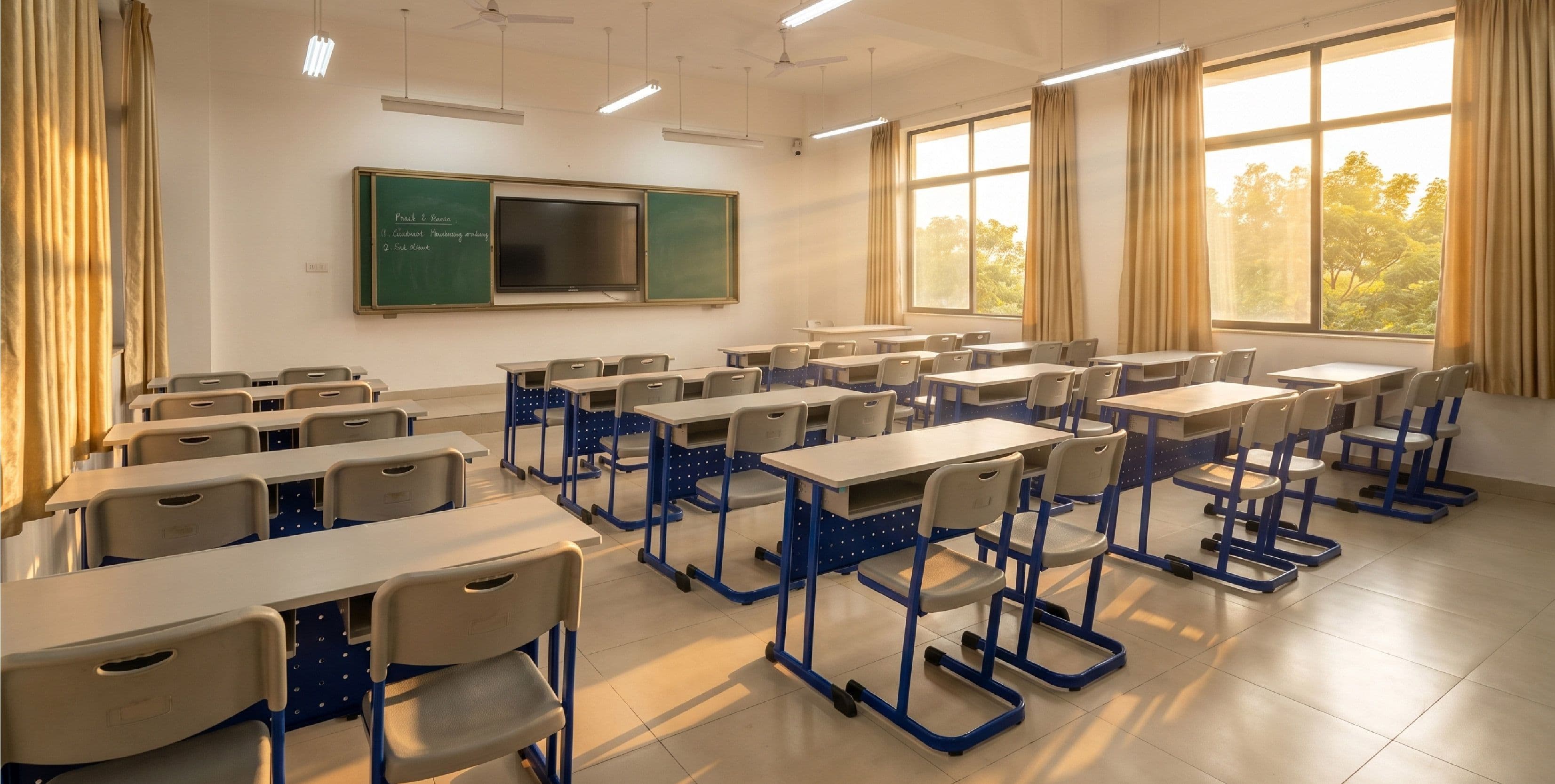
Students do not learn the same way at every stage of their education. A primary school classroom is built around exploration and guided learning, while a university classroom is designed for discussion, research and independent thinking. As learning evolves, classroom furniture should evolve with it.
Yet many institutions continue to use the same approach to furniture selection across multiple grade levels. The most effective learning environments are those where desks support not just the student's size, but also the way they learn.
Early Years: Learning Through Activity And Interaction
For younger learners, classrooms are dynamic spaces. Students move between writing, reading, drawing and group activities throughout the day. A well-designed single student desk for elementary school should support these varied activities without overwhelming the learner.
When selecting a single seater desk grade 1-5, schools often focus on dimensions and classroom capacity. However, choosing the right school furniture material can be equally important, particularly in classrooms where furniture experiences constant daily use. Durable materials help schools manage maintenance costs while ensuring desks remain safe and functional for years.
At this stage, simplicity, comfort and durability usually matter more than advanced features.
Middle School: Supporting Growing Independence
The transition to middle school brings noticeable changes in how students engage with learning. They begin managing more subjects, carrying additional materials and taking greater responsibility for their work.
A thoughtfully planned single seater school desk 6-8 grade setup gives students personal space while helping classrooms remain organised and adaptable. Individual desks can also encourage better concentration as students begin handling more complex assignments and projects.
Furniture during these years should strike a balance between comfort and functionality, supporting both academic growth and physical development.
High School: Creating Spaces For Focused Learning
By the time students reach secondary school, classrooms become increasingly focused on performance, assessments and preparation for higher education.
A practical classroom desk for class 9-10 should provide enough workspace for textbooks, notebooks and digital devices while remaining comfortable during extended study periods. Schools investing in a single seater desk for high school often prioritise ergonomics and durability, recognising that students spend significant amounts of time seated during lessons and examinations.
At this stage, furniture plays a subtle but important role in creating an environment that supports concentration and academic focus.
Higher Education: Adapting To Modern Learning Styles
Universities and colleges operate differently from schools. Students move between lectures, collaborative projects, presentations and independent study throughout the day.
A modern college single seater desk India institutions select today needs to support flexibility as much as comfort. Likewise, a single desk for university students should accommodate laptops, learning materials and changing classroom layouts without limiting how spaces are used.
Furniture in higher education must be versatile enough to support a wide variety of teaching and learning methods.
Furniture That Evolves With Learning
The best educational environments recognise that furniture is not simply about filling a classroom. It is about supporting the way students learn at different stages of their academic journey.
When institutions match furniture choices to learning behaviours rather than relying on a one-size-fits-all approach, they create classrooms that remain effective, engaging and comfortable from primary school through to university.