Classroom Layout Strategies Using Single Seater Desks
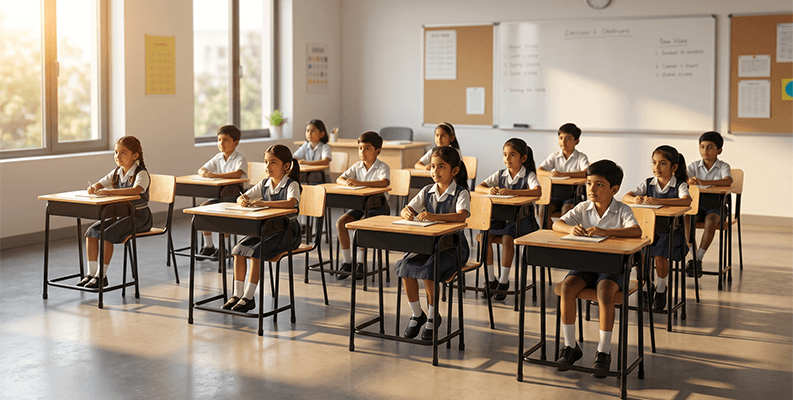
A well-designed classroom is about more than fitting desks into a room. The way furniture is arranged can influence student engagement, teacher mobility and the overall learning experience. As schools look to create more flexible and effective learning environments, single seater desks have become an increasingly popular choice.
Unlike larger shared desks or bench seating, single seater desks offer greater flexibility when planning classroom layouts. They allow schools to adapt spaces to different teaching methods while making efficient use of available floor area.
Why Layout Matters In The Classroom
Even the best classroom furniture can feel ineffective if the layout is poorly planned. Crowded walkways, restricted visibility and limited movement can affect both teaching and learning.
Creating a thoughtful classroom desk space efficient layout helps ensure students remain comfortable while allowing teachers to move freely throughout the room. A good layout also improves visibility, making it easier for students to stay engaged and participate in lessons.
The goal is to create a classroom that feels organised, functional and easy to navigate.
The Advantage Of Individual Desks
Single seater desks provide schools with more layout flexibility than fixed seating arrangements. Because each desk can be positioned independently, classrooms can be configured to suit different teaching styles and activities.
A single seater desk compact footprint allows institutions to maximise usable space while maintaining individual work areas for students. This flexibility becomes particularly valuable in classrooms that regularly transition between lectures, discussions and group activities.
Individual desks also make it easier to adjust seating arrangements as classroom needs change throughout the academic year.
Managing Classroom Density Effectively
Every classroom has a limit to how many students it can comfortably accommodate. Furniture selection plays an important role in determining how efficiently that space is used.
Understanding classroom density and desk size helps schools strike the right balance between capacity and comfort. Desks should provide enough workspace for students without making the room feel overcrowded. When furniture dimensions are aligned with classroom size, schools can improve capacity while preserving a positive learning environment.
The objective is not simply fitting more desks into a room but creating conditions that support effective learning.
Making Better Use Of Floor Space
Efficient layouts rely on more than desk placement alone. Schools must also consider circulation, visibility and access throughout the classroom.
Many institutions adopt a classroom desk minimize floor space strategy by selecting furniture that occupies less room while still meeting student needs. This approach helps create clearer pathways, improves accessibility and allows classrooms to feel more open.
When furniture is chosen thoughtfully, even smaller classrooms can feel spacious and well organised.
Supporting Flexible Learning Environments
Modern education often requires classrooms to support multiple activities within the same space. Group work, presentations and independent learning may all take place during a single school day.
Schools looking to maximize classroom space furniture strategies frequently use single seater desks because they can be rearranged quickly and easily. This adaptability allows learning spaces to evolve alongside teaching requirements without major disruption.
Planning For Better Learning Outcomes
Classroom layout is often overlooked, yet it has a significant influence on how students and teachers interact with the learning environment. Single seater desks provide the flexibility needed to create layouts that support comfort, organisation and effective teaching.
By combining thoughtful planning with space-efficient furniture, schools can create classrooms that make better use of available space while providing students with an environment that supports learning and engagement.