Cost-Effective Office Furniture Solutions For Non-Profit Organizations
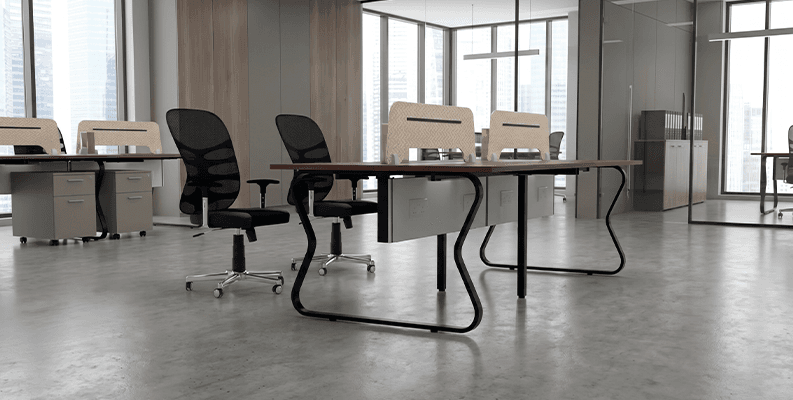
Non-profit organisations operate with a unique challenge: maximising impact while carefully managing resources. Every investment must support the organisation’s mission, which makes workplace planning an important consideration. The right furniture can help create productive and welcoming environments without placing unnecessary strain on limited budgets.
Thoughtful non-profit office furniture planning is not about spending as little as possible. It is about making smart decisions that deliver long-term value.
Creating Workspaces That Support The Mission
Every organisation benefits from a workplace that enables employees and volunteers to perform effectively. A well-planned mission-driven workspace should support collaboration, administration and community engagement while reflecting the organisation’s values.
Furniture choices should prioritise practicality, durability and adaptability rather than unnecessary complexity.
Balancing Budget And Functionality
Managing costs is a constant priority for many organisations. A cost-effective nonprofit office focuses on furniture that delivers reliable performance without excessive expenditure.
Choosing durable products that can withstand years of daily use often provides better value than selecting lower-cost options that require frequent replacement.
Designing Efficient Office Environments
Successful nonprofit workspace design starts with understanding how teams work. Administrative staff, programme coordinators and volunteers may all have different workspace requirements.
Flexible layouts and practical furniture solutions help organisations make efficient use of available space while supporting day-to-day operations.
Planning A Charity Office Setup
An effective charity office setup should provide employees and volunteers with comfortable workstations, accessible storage and collaborative areas for meetings and planning sessions.
Simple, functional furniture often works best because it allows organisations to focus resources on their core mission rather than unnecessary office expenses.
Supporting Collaboration
Many non-profits rely on teamwork to achieve their goals. Creating a dedicated nonprofit collaboration space can help improve communication, planning and project coordination.
Meeting tables, modular seating and flexible work areas allow teams to gather easily and work together more effectively.
Accommodating Volunteers
Volunteers play a vital role in many organisations. Practical volunteer space furniture helps create welcoming environments where volunteers can contribute comfortably and efficiently.
Adaptable workstations and shared spaces are particularly useful when volunteer numbers vary throughout the year.
Exploring Sustainable Furniture Options
Some organisations also consider donation furniture nonprofit programmes or refurbished furniture as part of their workplace strategy. While these options can help manage costs, furniture should still meet standards for durability, comfort and functionality.
The goal is to ensure that every piece contributes positively to workplace efficiency.
Building An Effective NGO Workplace
Whether planning an NGO office design project or upgrading an existing facility, furniture decisions should support both operational requirements and organisational values.
Similarly, selecting budget nonprofit furniture does not mean compromising on quality. The most successful workplaces combine affordability with practicality and long-term performance.
Creating Spaces That Support Impact
The best non-profit workplaces are designed to help people work effectively while making responsible use of resources. By investing in thoughtful furniture solutions, organisations can create environments that support collaboration, productivity and community impact for years to come.