Are you choosing the right school furniture material or wasting your budget?
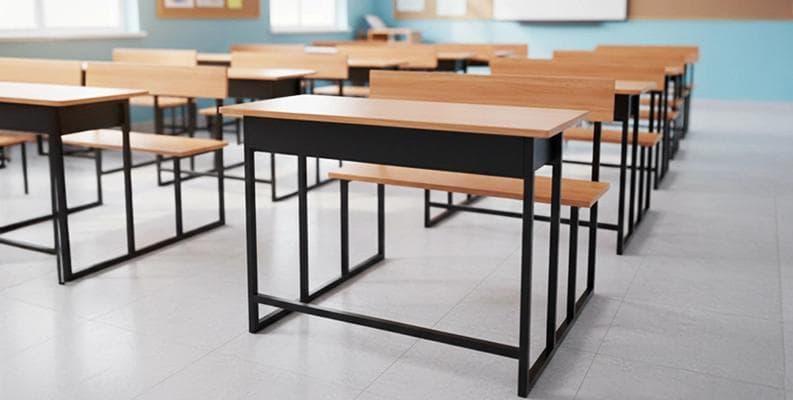
Choosing the right school furniture is not merely an aesthetic or procurement decision, it is a long-term investment that directly affects student safety, comfort, durability, maintenance effort and overall lifecycle cost. In Indian schools, where furniture is used intensively every day across multiple academic years and student batches, the choice of school furniture materials becomes especially critical. An unsuitable material can result in frequent repairs, safety concerns, or higher replacement expenses over time.
This practical buying guide explains the three most commonly used school furniture materials wood, metal and plastic to help school owners, trustees, principals, architects and procurement teams make informed, need-based decisions.
Quick Comparison: School Furniture Materials at a Glance

Why School Furniture Material Matters
School furniture is exposed to daily wear, frequent movement, rough handling and varied climatic conditions across India. The chosen material determines how well the furniture performs under these conditions and how long it remains safe and usable.
Material selection directly influences:
- Structural strength and stability
- Ease of cleaning and maintenance
- Safety for different student age groups
- Long-term cost of ownership
Understanding these factors helps institutions align furniture purchases with both educational requirements and financial planning.
Wooden School Furniture
Wooden school furniture is traditionally used in classrooms, libraries and administrative spaces. It offers a solid, natural appearance and is often selected for its comfort and formal aesthetic.
When properly seasoned and finished, wooden furniture provides good structural strength and seating comfort. However, it requires consistent maintenance to perform well in demanding school environments.
Key benefits:
- Strong and stable for long-term use
- Visually warm and suitable for formal spaces
- Comfortable for extended seating
Limitations to consider:
- Higher cost compared to plastic or basic metal furniture
- Vulnerable to moisture, termites and surface wear
- Requires periodic polishing or refinishing
Best suited for:
- Libraries and reading rooms
- Senior classrooms
- Administrative offices
Metal School Furniture
Metal school furniture is widely used across Indian schools due to its durability and cost efficiency. Typically manufactured using mild steel with powder-coated finishes, it is designed to handle heavy, repetitive use.
Metal furniture performs well in high-traffic environments and requires minimal upkeep, making it a practical choice for both private and government institutions.
Key benefits:
- High durability and load-bearing strength
- Resistant to breakage and rough handling
- Low maintenance and long service life
Limitations to consider:
- Can feel rigid without ergonomic design support
- Risk of corrosion if coating quality is inadequate
- Less visual warmth compared to wood
Best suited for:
- Middle and high school classrooms
- Laboratories and practical rooms
- Large-scale institutional deployments
Plastic School Furniture
Plastic school furniture has gained popularity, particularly in early education settings. Made from high-grade molded plastic, it is lightweight, colorful and easy to move.
Plastic furniture prioritizes safety and flexibility, though it is not designed for heavy or long-term usage by older students.
Key benefits:
- Lightweight and child-friendly
- Easy to clean and hygienic
- Cost-effective for bulk purchases
Limitations to consider:
- Lower load capacity than metal or wood
- Not suitable for senior students
- Shorter lifespan under rough usage
Best suited for:
- Kindergarten and pre-primary classrooms
- Activity rooms and play areas
- Temporary or flexible seating needs
Plastic School Furniture
Plastic school furniture has gained popularity, particularly in early education settings. Made from high-grade molded plastic, it is lightweight, colorful and easy to move.
Plastic furniture prioritizes safety and flexibility, though it is not designed for heavy or long-term usage by older students.
Key benefits:
- Lightweight and child-friendly
- Easy to clean and hygienic
- Cost-effective for bulk purchases
Limitations to consider:
- Lower load capacity than metal or wood
- Not suitable for senior students
- Shorter lifespan under rough usage
Best suited for:
- Kindergarten and pre-primary classrooms
- Activity rooms and play areas
- Temporary or flexible seating needs
Wood vs Metal vs Plastic: A Practical Perspective
There is no single “best” option among school furniture materials. Wooden school furniture offers comfort and aesthetics but requires higher maintenance. Metal school furniture delivers strength, longevity and cost efficiency, making it ideal for high-usage classrooms. Plastic school furniture excels in safety and ease of handling for young children but has limitations in durability.
Most modern schools in India adopt a mixed-material approach, selecting furniture based on function, age group and usage intensity.
Choosing the Right Material by School Area
Kindergarten & Primary Schools
Plastic furniture is generally the safest and most practical option due to its lightweight construction and child-friendly design.
Middle & High Schools
Metal school furniture with ergonomic proportions offers the best balance of durability and support for older students.
Laboratories & Libraries
Metal furniture suits laboratories due to strength and resistance, while wooden furniture works well in libraries for comfort and quieter learning environments.
Budget-Focused Institutions
Metal furniture provides the most reliable long-term value for large-scale installations.
Safety and Compliance Considerations
Indian schools should ensure furniture complies with relevant IS standards, uses non-toxic finishes and features rounded edges, stable frames and age-appropriate dimensions. Working with experienced school furniture manufacturers in India helps ensure adherence to child safety norms and institutional compliance requirements.
Key Factors to Consider Before Finalizing Materials
Before making a purchase, institutions should evaluate:
- Student age groups
- Daily usage intensity
- Safety and ergonomic requirements
- Maintenance capabilities
- Budget constraints and replacement cycles
Conclusion: Making an Informed Material Choice
Selecting the right school furniture materials is about aligning safety, functionality and long-term value, not following a one-size-fits-all approach. Wooden, metal and plastic school furniture each serve specific purposes within a school campus.
By carefully assessing usage areas and student needs, schools can make informed decisions that enhance comfort, reduce maintenance challenges and ensure durability. Partnering with a reliable school furniture manufacturer or supplier in India helps institutions access safe, compliant and well-designed furniture solutions tailored to their long-term requirements.