10+ Office Design and Layout Ideas for 2026: Future-Ready Workspaces in India
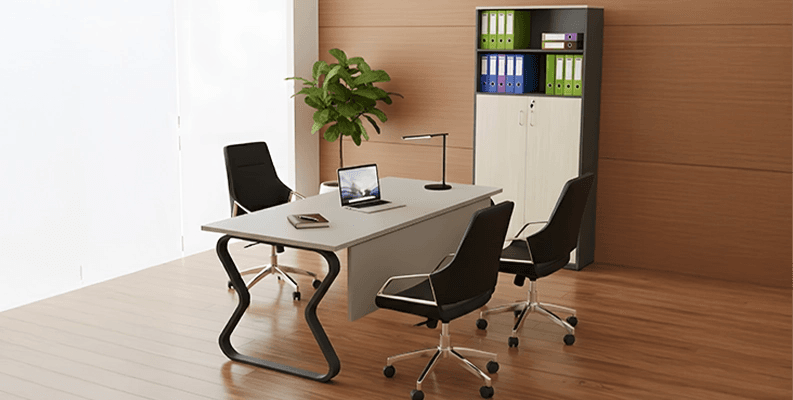
By 2026, office design in India has become a strategic business tool rather than a functional requirement. With hybrid work firmly embedded, rising real estate costs and increasing focus on employee experience. Organizations are rethinking how offices should support productivity, collaboration and long-term growth. Modern workplaces are expected to be flexible, technology-enabled and aligned with company culture, while remaining cost-efficient and scalable.
These office design ideas reflect how Indian businesses are adapting to changing work patterns and expectations. From startups to large enterprises, the focus is on creating future-ready offices that work smarter, not larger.
1. Hybrid-First Office Layouts
Hybrid work has reshaped how offices are used. Instead of fixed seating for every employee, offices are designed for shared usage and fluctuating attendance.
Hybrid-first layouts typically feature fewer assigned desks, supported by hot-desking systems, lockers and shared storage. This approach reduces unused space and allows organizations to optimize real estate costs while giving employees flexibility in how they use the office.
2. Activity-Based Work Zones
One-size-fits-all layouts are being replaced by activity-based work environments. Offices are divided into zones designed for specific tasks, allowing employees to choose the right space based on what they are working on.
These zones commonly include focus areas, collaboration hubs, informal discussion spaces and quiet pods. This design improves productivity by reducing distractions and aligns strongly with emerging workspace design trends in India.
3. Space-Saving Modular Furniture
With commercial rents increasing across Indian cities, space saving furniture solutions are essential. Modular furniture allows offices to reconfigure layouts easily without major renovations.
Key elements include modular workstations, foldable meeting tables and stackable seating. This approach is especially effective for startups, mid-sized offices and co-working spaces. Working with a reliable bulk furniture manufacturer ensures durability, consistency and long-term value.
4. Technology-Integrated Meeting Rooms
Meeting rooms are evolving into smart collaboration spaces. They must seamlessly support hybrid meetings with both in-office and remote participants.
Designing meeting rooms with integrated video conferencing layouts, acoustic panels and organized cable management improves communication quality and reduces meeting fatigue. Well-designed meeting spaces also reinforce a professional brand image.
5. Wellness-Centric Office Design
Employee well-being has become a core business priority. Nowadays offices are designed to support physical comfort, mental focus and overall health.
Wellness-centric interiors focus on ergonomic furniture, natural light optimization and biophilic elements such as indoor plants. These design choices lead to lower absenteeism, higher employee satisfaction and stronger employer branding.
6. Flexible Collaboration Spaces
Rigid boardrooms are giving way to adaptable collaboration areas. Flexible spaces support spontaneous discussions, brainstorming sessions and cross-functional teamwork.
Movable partitions, lightweight yet durable furniture and multi-use discussion zones allow offices to maximize space utilization while staying agile. This flexibility reflects evolving office layout ideas in India driven by fast-changing business needs.
7. Brand-Driven Interior Design
Offices are increasingly used to express brand identity and culture. Interior design plays a key role in communicating values to both employees and visitors.
Brand-driven design integrates company colours, materials and visual language into reception areas, workspaces and client-facing zones. This strengthens first impressions, builds client confidence and enhances employee pride.
8. Smart Storage and Decluttered Layouts
As offices become more flexible, clutter can negatively impact efficiency. Smart storage solutions help maintain clean, organized environments.
Built-in storage, vertical cabinets and centralized filing systems are commonly used to save space and improve functionality. Inspace India furniture designed for commercial use ensures durability and seamless integration into modern office layouts.
9. Acoustic Zoning for Noise Control
Open-plan offices require effective noise management. Acoustic zoning allows offices to remain open while supporting focused work and confidential conversations.
Sound-absorbing panels, phone booths and carpeted zones help reduce distractions and improve concentration, particularly important in high-density Indian workplaces.
10. Scalable Office Design for Growth
Businesses evolve and office design must adapt with them. Scalable design ensures that offices can accommodate growth without repeated structural changes.
Modular layouts, future-ready electrical planning and expandable workstation systems allow offices to adjust efficiently over time. Partnering with experienced designers and durable furniture distributors helps maintain long-term functionality.
11. Sustainable and Responsible Office Design
Sustainability is becoming a key decision factor for corporate India. Modern office interior design prioritizes long-lasting materials, energy-efficient lighting and low-maintenance furniture.
Sustainable offices not only support ESG goals but also reduce long-term operational costs and improve space longevity.
As one of the experienced office interior designers in India, Inspace India works closely with organizations to design future-ready workspaces that balance strategy, functionality and long-term value. Partnering with the right expert ensures your office remains relevant, efficient and ready for what’s next.