Healthcare Facility Furniture: Key Considerations For Comfort And Functionality
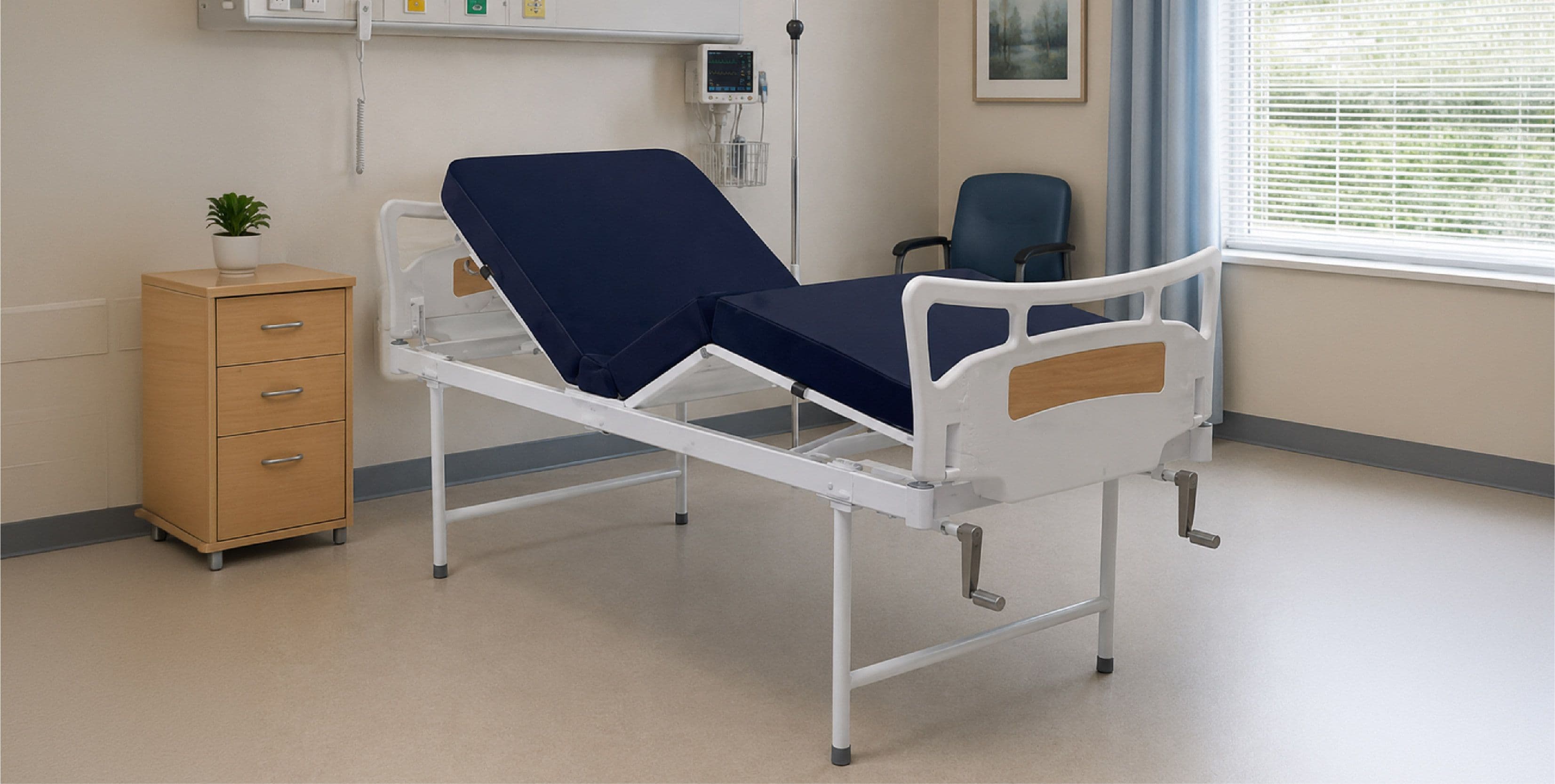
Furniture plays a critical role in healthcare environments. From reception areas and consultation rooms to administrative offices and staff workspaces, every piece of furniture contributes to comfort, efficiency and the overall patient experience. Unlike conventional office environments, healthcare facilities must balance functionality with strict hygiene and safety requirements.
Choosing the right healthcare facility furniture requires careful consideration of both operational needs and user wellbeing.
Prioritising Patient Comfort
Healthcare visits can often be stressful for patients and their families. Comfortable and thoughtfully selected patient comfort furniture can help create a more welcoming and reassuring environment.
Seating should provide adequate support, easy accessibility and durability while maintaining a professional appearance suitable for healthcare settings.
Designing Effective Waiting Areas
The waiting area is often the first point of contact within a healthcare facility. Well-planned medical waiting area furniture helps create a positive first impression while ensuring visitors remain comfortable during their stay.
Furniture layouts should allow for smooth movement, accommodate varying occupancy levels and support accessibility requirements.
Supporting Healthcare Professionals
Doctors, nurses and administrative teams spend long hours working in demanding environments. A well-designed healthcare staff workspace can improve comfort, organisation and productivity.
Appropriate medical workspace furniture should support efficient workflows while providing the ergonomic features necessary for extended periods of use.
Hygiene And Infection Control
One of the most important considerations in healthcare environments is cleanliness. Infection control furniture is specifically designed to support hygiene protocols through the use of easy-to-clean surfaces and materials that minimise the accumulation of contaminants.
Similarly, sterile healthcare furniture solutions help maintain high standards of cleanliness in areas where infection prevention is particularly important.
Creating Functional Clinical Spaces
Effective clinic furniture design focuses on supporting both patient care and operational efficiency. Consultation rooms, treatment areas and administrative spaces each have unique requirements that should be reflected in furniture selection.
The right design helps healthcare professionals work efficiently while creating a comfortable environment for patients.
Meeting Compliance Requirements
Healthcare facilities operate within strict regulatory frameworks. Healthcare compliance furniture is designed to meet relevant standards for safety, accessibility, durability and hygiene.
Selecting compliant furniture not only supports regulatory requirements but also helps reduce maintenance issues and improve long-term performance.
Furnishing Administrative Areas
Behind every healthcare facility is an administrative team responsible for scheduling, record management and operational support. Quality hospital office furniture helps these teams work efficiently while maintaining an organised and professional environment.
Workstations, storage systems and meeting spaces should be designed to support the fast-paced nature of healthcare administration.
Building Better Healthcare Environments
The best healthcare furniture solutions balance patient comfort, staff efficiency and hygiene requirements. By carefully selecting furniture that supports these objectives, healthcare facilities can create environments that function effectively while delivering a better experience for everyone who uses them.
As healthcare continues to evolve, thoughtful furniture planning remains an essential part of creating safe, comfortable and efficient spaces.