What Furniture Does a Modern School Need Beyond Desks and Chairs?
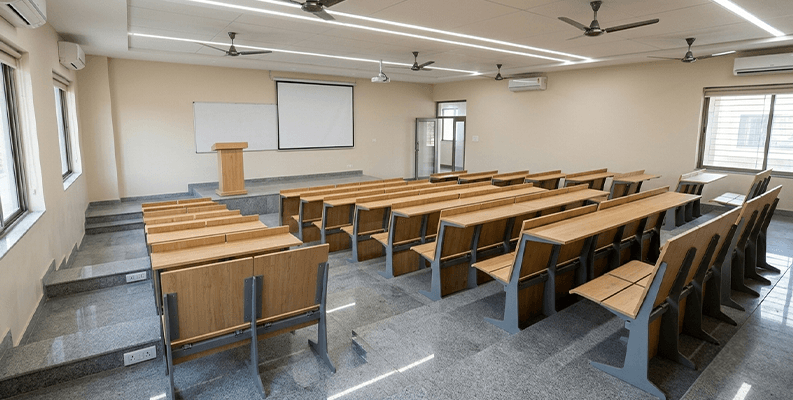
A modern school requires more than desks and chairs to create a functional learning environment. From library furniture and laboratory workstations to classroom storage and activity tables, every space needs furniture designed around its purpose. Choosing the right modern school furniture helps educational institutions improve space utilisation, student comfort and everyday classroom functionality.
For school principals, management teams and procurement managers, understanding complete school furniture requirements is an important step when developing a new campus or upgrading existing facilities.
1. Classroom Furniture for Different Learning Activities
Modern classrooms support group discussions, interactive learning and individual activities alongside traditional teaching. Therefore, furniture for modern classrooms should accommodate different learning requirements.
Essential furniture includes:
- Student desks and ergonomic chairs.
- Teacher tables and chairs.
- Activity tables for group learning.
- Classroom storage cabinets.
- Display and resource units.
Flexible furniture arrangements help schools create more adaptable learning spaces.
2. School Library Furniture for Reading and Research
A school library should provide comfortable spaces for reading, research and collaborative learning.
Important school library furniture includes reading tables, chairs, bookshelves, magazine racks, computer workstations and storage cabinets.
When planning library furniture, schools should consider student capacity, available floor space, accessibility and book storage requirements.
3. School Laboratory Furniture for Practical Learning
Laboratories require specialised furniture based on the subject, equipment and activities conducted.
Common requirements include:
- Laboratory workbenches.
- Equipment storage cabinets.
- Computer workstations.
- Demonstration tables.
- Laboratory stools.
Selecting suitable school laboratory furniture involves considering material compatibility, stability, maintenance and relevant safety requirements.
4. School Auditorium and Common-Area Furniture
Furniture planning should also extend to spaces used for assemblies, meetings, events and student interaction.
These spaces may require auditorium seating, reception furniture, staffroom tables, meeting-room chairs and common-area seating.
Well-planned school furniture solutions help maintain consistency and functionality throughout the campus.
5. Classroom Storage and Organisational Furniture
Storage is often overlooked when planning essential furniture for school classrooms. However, cabinets, shelving units, lockers and mobile storage help teachers organise books, teaching materials and student resources.
Schools should select storage based on accessibility, available space, capacity and everyday usage.
6. How to Plan Furniture Requirements for a Modern School?
Before investing in bulk school furniture solutions, school management teams should consider these factors:
- Student capacity: Estimate furniture quantities for each classroom and department.
- Space utilisation: Plan layouts according to room dimensions and movement requirements.
- Age groups: Choose furniture suitable for different student groups.
- Material quality: Evaluate durability, maintenance and expected usage.
- Safety and ergonomics: Consider suitable dimensions, stability and comfort.
- Future expansion: Account for additional classrooms and growing student numbers.
A structured furniture plan helps schools manage procurement and maintain consistent requirements across departments.