Creating Inspiring Spaces: How to Plan a Modern School Art Room
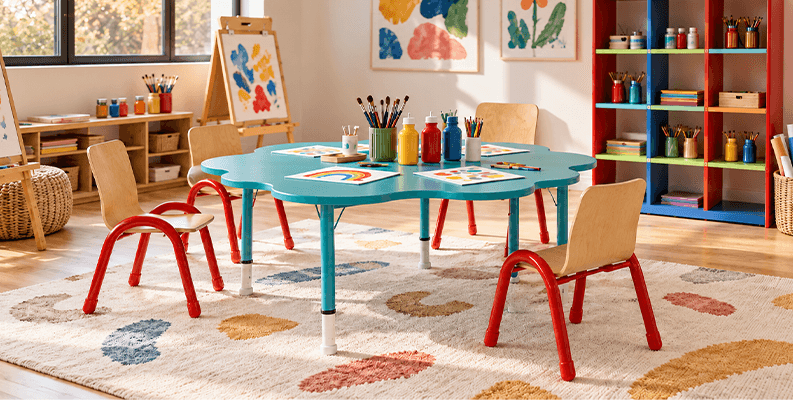
Designing an environment where creativity flourishes requires more than just standard classroom tables. A well-planned visual arts studio directly impacts student engagement, safety, and learning workflow. Whether you are outfitting a new educational facility or renovating an existing creative space, mastering school art room planning ensures that every square foot serves a functional purpose.
As a leading B2B art room furniture manufacturer, Inspace provides robust, ergonomic solutions designed specifically for school environments. Here is a practical guide to designing a functional, inspiring studio, covering everything from spatial layout to heavy-duty art room storage solutions.
1. Designing the Ideal School Art Room Layout
The foundation of any productive studio is smooth traffic flow. A successful school art room layout divides the space into distinct activity zones: direct instruction areas, hands-on production centers, and cleanup stations.
- Zonal Organization: Keep wet and messy activities (such as clay modeling, painting, and sculpting) near sinks and water sources, while keeping dry zones (sketching, drafting, and digital design) separate.
- Safety & Accessibility: Maintain wide pathways between workstations so instructors can navigate the room freely to assist students. Keep emergency exits clear and accessible at all times.
- Versatile Configurations: Arrange modular workstations to support both individual projects and group collaboration, allowing students to share materials seamlessly.
2. Choosing the Right Art Room Tables and Seating
Investing in durable, high-performance art classroom furniture is essential for withstanding daily wear and tear. Unlike general classroom desks, art studios require rugged surfaces that resist moisture, paint, and chemicals.
- Heavy-Duty Surfaces: Opt for high-pressure laminates or solid epoxy tops. These materials prevent stubborn stains and can be scrubbed clean without deteriorating.
- Flexible Art Room Tables for Schools: Choose sturdy rectangular tables that can be grouped together for team assignments or separated for individual work. Modular designs give schools the flexibility to adapt to changing curriculum needs.
- Ergonomic Seating: Pair tables with sturdy, stackable stools that allow students to easily transition between sitting and standing while working on large canvases or pottery.
3. Smart Art Room Storage Solutions
Clutter can disrupt creative workflow and shorten the lifespan of art supplies. Implementing practical art room storage solutions keeps valuable materials organized, secure, and accessible.
- Vertical Lockable Cabinets: Secure sharp tools, expensive media, and chemical supplies in tall, lockable storage units.
- Open Modular Bins: Utilize clear, heavy-duty plastic bins on open shelving for everyday materials like brushes, markers, and sponges, making inventory checks and cleanup simple.
- Drying Racks & Portfolio Units: Incorporate specialized drying racks to safely cure paintings, along with flat-slot portfolio cabinets to store large artwork without folding or damaging papers.
4. Sourcing Long-Lasting Furniture for Art Classrooms
When sourcing furniture for art classrooms, standard office products simply do not hold up. Educational spaces require commercial-grade school art room furniture engineered with heavy-duty steel frames, reinforced edges, and non-tip bases.
At Inspace, we manufacture high-durability art room furniture for schools tailored to modern educational needs. Our solutions are built to resist daily wear while fostering a safe, inspiring space for students to experiment and create.
Transform Your School’s Creative Spaces with Inspace
A well-engineered art studio elevates the learning experience and supports student creativity for years to come. By combining smart spatial planning with long-lasting furniture, you build a space where young artists can thrive.