Supermarket Interior Design Trends in 2026
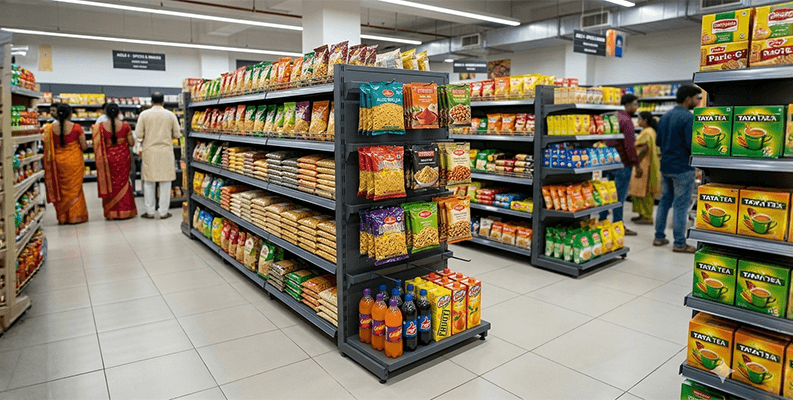
In 2026, supermarket interior design is shaped by four clear priorities: biophilic layouts, sustainable materials, smart zoning and sensory-led shopping experiences. These are not aesthetic upgrades. They directly influence how long customers stay, how easily they navigate and how much they purchase.
Retailers across India are responding by rethinking store environments as performance assets rather than static spaces. Many are working with Inspace retail design solutions India to translate these trends into measurable gains in footfall.
The Shift from Store to Experience
The modern supermarket is no longer a transactional space. Shoppers expect clarity, comfort and engagement from the moment they enter.
This shift requires a balance of design and function. Layouts must guide movement. Fixtures must support visibility and replenishment. Materials must meet both durability and sustainability goals.
Key Supermarket Design Trends Shaping 2026
Biophilic Design That Increases Dwell Time
Green walls, indoor plants and natural wood finishes create a calmer environment. This reduces shopper fatigue and encourages longer browsing, especially in fresh and premium sections.
Sustainable Materials That Support Brand Trust
Recycled shelving, low VOC paints and reclaimed flooring reduce environmental impact while maintaining durability. These choices also make sustainability visible to customers at shelf level.
Smart Lighting That Improves Product Visibility
LED zoning and adaptive lighting highlight key categories and improve colour accuracy for fresh produce. Well planned lighting layouts can reduce energy costs by up to 40 percent while improving display quality.
Intuitive Zoning That Drives Basket Size
Clear category flow helps shoppers move naturally from entry to checkout. When zoning is aligned with shopper behaviour, it reduces confusion and increases cross-category purchases.
Digital Integration That Enhances Efficiency
Digital price tags and interactive displays improve pricing accuracy and reduce manual updates. Integration is planned to support operations without adding visual clutter.
Eco-Friendly Fit-Outs That Lower Lifecycle Costs
Low-waste construction methods and future-ready infrastructure such as solar-compatible ceilings reduce long-term operational costs and simplify upgrades.
Why Sustainability Is Driving Design Decisions
Sustainability is now a commercial factor, not just a compliance requirement. A 2025 Nielsen study showed that 67 percent of urban Indian shoppers prefer stores that demonstrate environmental responsibility.
For retailers, this translates into two measurable outcomes:
- Lower operating costs through reduced energy consumption
- Stronger customer trust and repeat visits
How Inspace India Delivers High-Performance Retail Spaces
Inspace retail design solutions India combines spatial planning, category understanding and execution capability to deliver stores that perform in real conditions.
Each project is approached with a clear objective: improve movement, increase visibility and support faster purchase decisions.
Across Mumbai, Bengaluru, Chennai and Hyderabad, projects are tailored to local shopping behaviour while applying global retail design principles. Every design decision is tied to a functional outcome, whether it is improving navigation, reducing congestion or increasing product exposure.